

As caregivers, preventing our seniors from falling is a top priority. But we want them to still be able to enjoy life, get out with friends, go for walks, and not shy away from daily activities for fear of falling or injury. In fact, part of the strategy to avoid falls includes getting exercise, which keeps muscles stronger, more flexible and improves balance.
Falling down at any age hurts. But for people over 70, the consequences of a hard fall can be devastating. Injury from the fall can put the senior into the hospital, and if bones are broken, it will take a long time to heal. The fall itself may not kill them, but recovering from an injury affects their mobility and quality of life.
Bones become more brittle with age, this, compounded by osteoporosis, a common bone degenerative condition, can make bones break more easily. Falls are one of the most frequent reasons that seniors have to go to the hospital emergency room. Sadly, this is often a negative health spiral for seniors.
A study published in The Journal of Trauma: Injury, Infection, and Critical Care, found that older adults were three times as likely to die following a low-level fall compared to individuals younger than 70.
There are many reasons why a senior might fall, or why they may be at higher risk for injury than others. To mitigate those risks, we have outlined some SHERPA Tips to lower the chances of your senior falling in the list below.
Ways to prevent falls
Here are some things you can do to reduce the risk of falling:
Wear sensible shoes
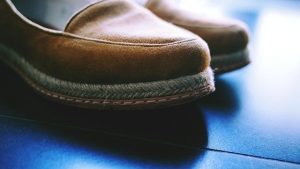
Make sure your senior’s feet are getting the love they deserve. In the form of comfy practical shoes. Keep in mind that they should have a couple pairs of shoes that are fairly easy to slip on and off. You don’t want your 85 year-old dad spending too much time bent over lacing and dealing with complicated buckles.
Here are a couple of shoes to avoid:
- High heels or wedges
- Hard heeled boots
- Shoes that have slippery soles
Instead, make sure the shoes they wear are:
- Properly fitting
- Sturdy, flat shoes
- Nonskid soles
Sensible shoes may also reduce joint pain. :)
Check medications and glasses prescriptions, take vitamins
Go with your senior to visit her primary care provider and review their medications and prescriptions.
- Some medications can cause dizziness
- Bi-focals can make it hard to perceive depth, especially when walking down stairs
- Take vitamin D and calcium supplements to keep bones strong
- Talk to your provider about the vitamins and supplements you are taking
Make repairs and clear clutter
It goes without saying, but clutter piled up in pathways are just waiting to be tripped over. Some seniors have accumulated a lot of stuff over the years in their homes, and you may need to help move items and re-organize so they can safely navigate to the bathroom, kitchen, and bedroom without running into obstacles along the way. Additionally, their space should be kept clean so they don’t slip.
- Immediately clean up spills
- Fix any loose floor boards
- Remove any furniture or obstacles from the main pathways
- Do not keep stacks of books or newspapers or allow other clutter to pile up
Stay active and exercise to keep your muscles and joints strong
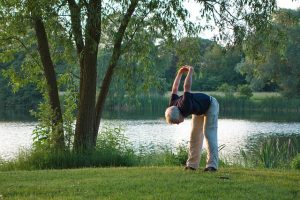
At any age, it helps to keep your body moving. And for seniors this continues to be true, but the movements should be more gentle and slow. Yoga stretching and low-impact exercises help keep better balance and improves muscle tone to help the senior from falling in the first place, and a stronger body also helps in recovery if they do fall.
- Get at least 150 minutes per week of exercise
- The Mayo Clinic recommends walking, water exercises, and tai chi
- Using weights can help with bone density and osteoporosis
- Maintain a healthy weight – being underweight can increase risk of broken bones and osteoporosis
Make the bathroom and kitchen areas safer
One of the risk factors for seniors is incontinence, which makes them have to run for the bathroom sometimes. This is an area that can be retro-fitted with assistive devices to make it safer to use. In addition, the kitchen is another frequently used area where the floors can get slippery, so it is also an area to focus some attention on for improved safety.
- Use non-slip mats
- Bath seat and grab bars in shower or tub
- Hand-held shower nozzle
- Store items where they are easy to reach (don’t require a stool or ladder)
- Raised toilet seat or one with arm rests
Keep living spaces well lit

Keep the rooms bright and make sure light switches are easily accessible. Again, remove obstacles and clutter anywhere in front of light switches.
- Night lights for bathrooms, hallways and bedrooms
- Store flashlights in several rooms of the house
- Make sure light switches are easily accessible, especially in stairways
- Switch your light switches to glow-in-the-dark or illuminated ones
Use assistive devices
Again, the bathroom and kitchen areas need to be reviewed for safety, and there are some great solutions for assistive devices to make life easier on you and your senior. The other parts of their living space that may need attention is the entrance and walkway to the home, as well as flooring inside the home.
- Handrails on both sides of all stairways
- Install ramps if senior is using a wheelchair
- Non-slip tread for bare-wood steps
Make a plan in case a fall happens
If a fall does happen, seniors should have a plan in place and be able to reach out and get immediate help if they need it.
Use smart technologies designed for seniors
- Switch to a cell phone that is designed for seniors like the Jitterbug
- Use a Medical Alert System like LifeAlert or similar services
- Get a walker or cane to help the senior stabilize themselves during recovery
More resources to read
There are many other great resources for ways to prevent falls, here are a few links to explore further:
https://www.mayoclinic.org/healthy-lifestyle/healthy-aging/in-depth/fall-prevention/art-20047358
https://www.agingcare.com/articles/falls-prove-fatal-for-elderly-patient-149687.htm
https://www.nia.nih.gov/health/falls-and-fractures-older-adults-causes-and-prevention
https://www.ncoa.org/adviser/medical-alert-systems/best-medical-alert-systems/
https://www.lively.com/phones/jitterbug-flip2/
https://www.spineuniverse.com/wellness/mobility/how-choose-cane-or-walker

 English